

Is Anxiety Haunting Your Every Move?
People often assume that anxiety only creeps up in nerve-racking moments, like delivering a speech or having to make a phone call. The thing is, anxiety doesn’t always show up as a full-blown panic moment. More often, it slips into ordinary routines and subtly changes how you think, move, and interact, even on days that seem “fine.” If you’ve ever wondered why simple tasks sometimes feel oddly heavy, these small patterns may sound familiar.
 Amirhossein Soltani on Unsplash
1. Your Morning Starts With a Mental Checklist
You wake up and immediately start reviewing what could go wrong. It doesn’t matter if nothing serious is on the docket; your brain insists on organizing potential issues and insists it’s being helpful. That early vigilance can leave you feeling behind or frozen before you’ve even gotten out of bed.
 Bruno van der Kraan on Unsplash
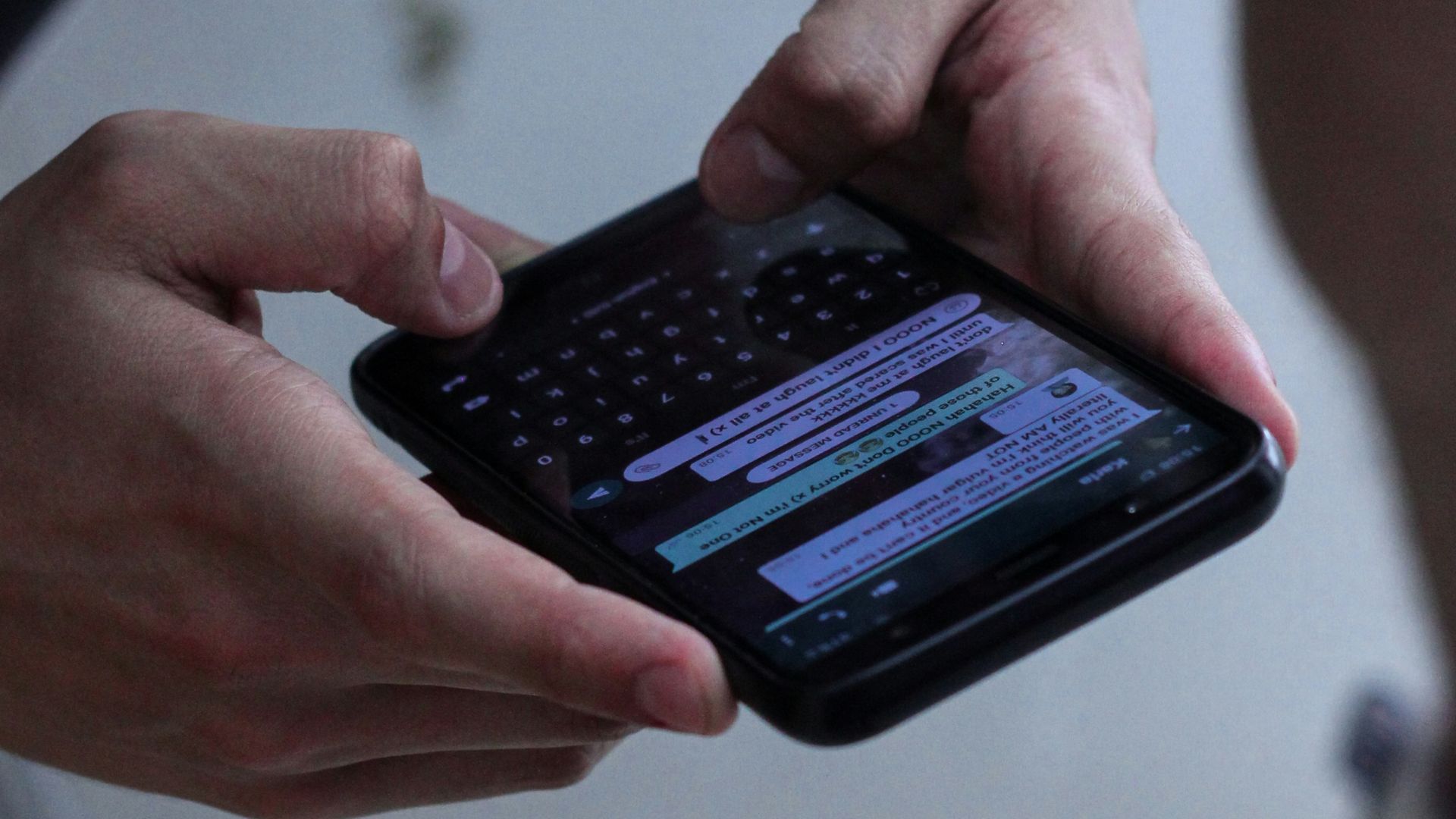
2. You Re-Read Messages Before Sending
A quick reply turns into a small editing session because you’re trying to prevent misunderstanding. Whether you’ve known someone for five years or five minutes, each text receives some kind of scrutiny. Then, after you send it, you still wonder whether it sounded “off.”
3. You Assume Small Delays Mean Big Problems
When someone’s late or a response doesn’t come quickly enough, your mind starts building explanations. And it’s rarely the calm explanation that arrives first. You end up tense over something that resolves with a single, ordinary update.

4. You Keep Tabs on Your Body
Do you notice your heartbeat? Your breathing? A tight jaw? While most people fluff those issues off, you start monitoring them closely, and that attention makes normal sensations feel more intense than they are. Before long, you’re trying to “fix” your body instead of simply living in it.

5. You Over-Prepare for Simple Things
There’s no shame in prep, but anxious minds often take it a step further. You gather extra information, double-check details, and plan for every possible twist. It can look like responsibility from the outside, and sometimes it is, but the effort may come from worry rather than confidence.
6. You Hesitate to Make Small Choices
Picking a meal or a time to leave can feel strangely loaded when you’re anxious. You weigh outcomes that don’t really deserve that much energy, and decision fatigue will show up even when the stakes are low.

7. You Mentally Replay Conversations
We’ve all panicked about putting our feet in our mouths, but anxious minds worry they’ve overstepped after almost every conversation. You revisit what you said, how you said it, and how the other person responded—and it all makes a decent interaction feel intimidating.

8. You Get Restless During Downtime
When things get quiet, your brain fills the space with worries. Oftentimes, relaxing is anything but, and if anything, it can feel like you’re letting your guard down. You might even feel guilty for not using the moment “productively.”

9. You Apologize a Lot
Do you say “sorry” even when you haven’t done anything wrong? You’re not alone. Apologies are a quick way to reduce the chance of conflict. The problem is that over time, they can quietly chip away at your sense of belonging.

10. You Read Between the Lines Too Much
A neutral facial expression means someone is upset with you. A short reply can look like a sign of disapproval. Regardless of what happens, you scan for hidden meanings that often don’t exist.
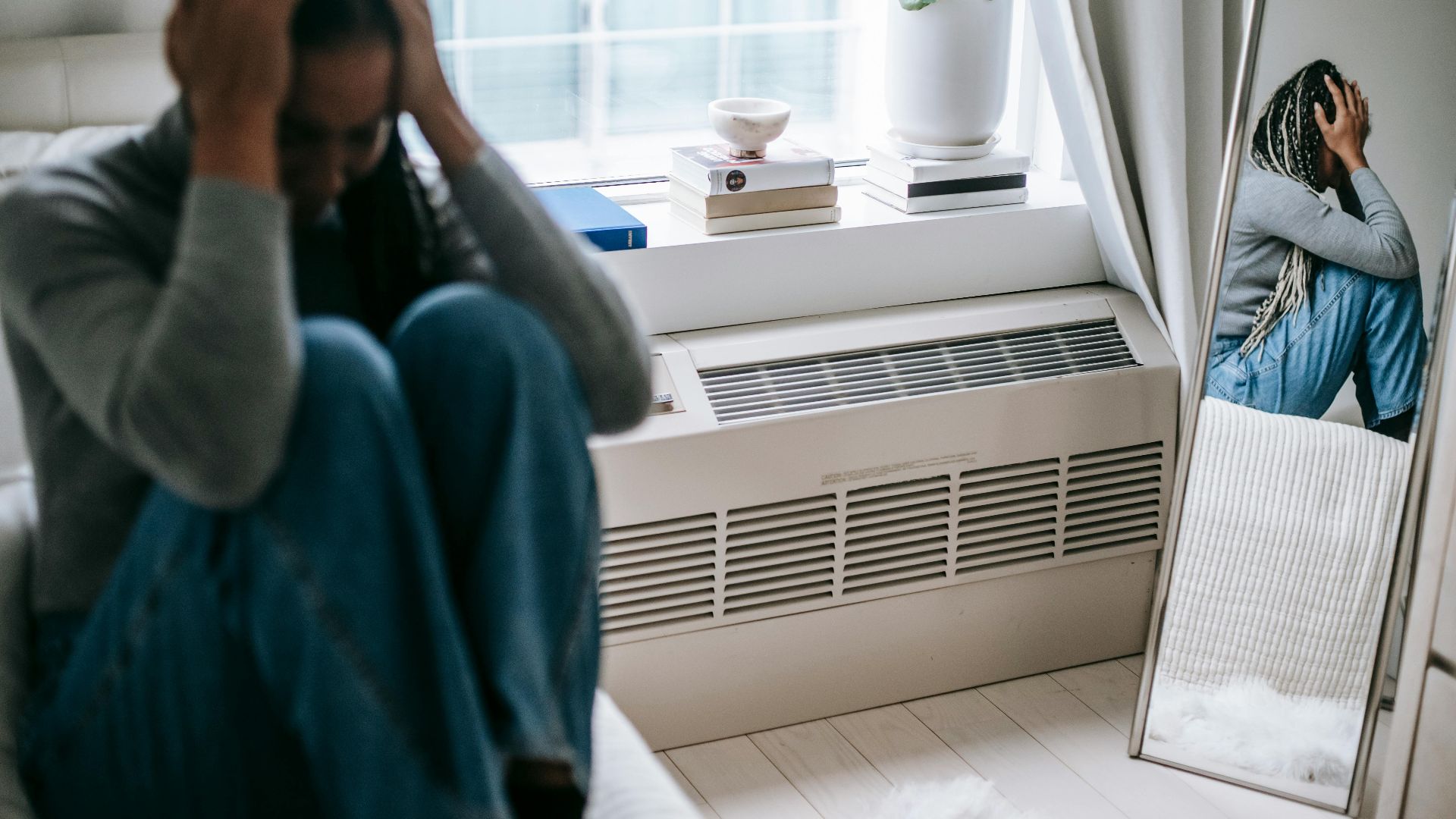
11. You Put Off Tasks You Actually Care About
The more important something feels, the more pressure anxiety can attach to it. Then, a vicious cycle starts: you worry about your task, but you procrastinate because you’re nervous, and then get even more nervous as the clock ticks down.

12. You Keep a Tight Schedule
It’s one thing to plan ahead. But it’s another to plan so meticulously that there’s no room for surprises. Though a packed timeline feels safer than open space, that structure only leaves you feeling trapped when something inevitably changes.
13. You Avoid Being the Center of Attention
Even mild visibility can make anxious people feel exposed. You might even downplay achievements or dodge situations where people focus on you. To make things worse, you can feel annoyed that you didn’t take up the space you earned.

14. You Experience Random Irritability
Anxiety doesn’t always look like worry; sometimes it shows up as a short fuse. Your patience runs thin from all the internal tension—but people don’t see your struggle. Then small annoyances hit harder because you’re already carrying more than you realize.

15. You Struggle to Stay Present
People often attribute wandering minds to ADHD, but it’s also a common sign of anxiety. Enjoyment often competes with second-guessing yourself, and even when you want to remain present, it feels like a frustrating struggle.

16. Changes to Your Appetite
When you’re anxious, food becomes less appealing because your body’s stuck in fight-or-flight mode. Some days you forget to eat, and other days you reach for snacks to settle your nerves. Either way, your hunger cues are less reliable.

17. You Overthink How You’re Coming Across
Anxious people can monitor everything from their tone, their posture, and their expressions. Don’t just dismiss that as self-awareness; it’s a draining symptom that makes it hard to relax because you’re trying to make the “right” impression.

18. You Seek Reassurance, Then Doubt It
It’s never easy to accept a compliment, but anxious people have an especially hard time with praise—even if they seek it out. When you get the reassurance, it may help briefly, but your mind finds a new angle to question.

19. You Have Trouble Transitioning Between Tasks
Shifting from one activity to another can feel like trying to change lanes in heavy traffic. Your brain keeps one foot in what you were doing and one foot in what’s next. It’s the kind of tug-of-war that makes normal days feel cluttered.
20. You Review Everything You Didn’t Do
Not even a comfy bed is enough to lull you to sleep sometimes. You might remember unfinished tasks more vividly than completed ones. Your mind might tally what you “should’ve” handled, even if your day was full. Next thing you know, hours have passed, and you’re still attacking yourself.
 Solving Healthcare on Unsplash