

Breaking the Silence
Not all mental disorders are treated with the seriousness they deserve. Some are misunderstood or seen as minor quirks rather than real challenges, and those stigmas leave people unsupported. It's time to start listening. Here are ten disorders that deserve more understanding and respect.

1. Dissociative Identity Disorder (DID)
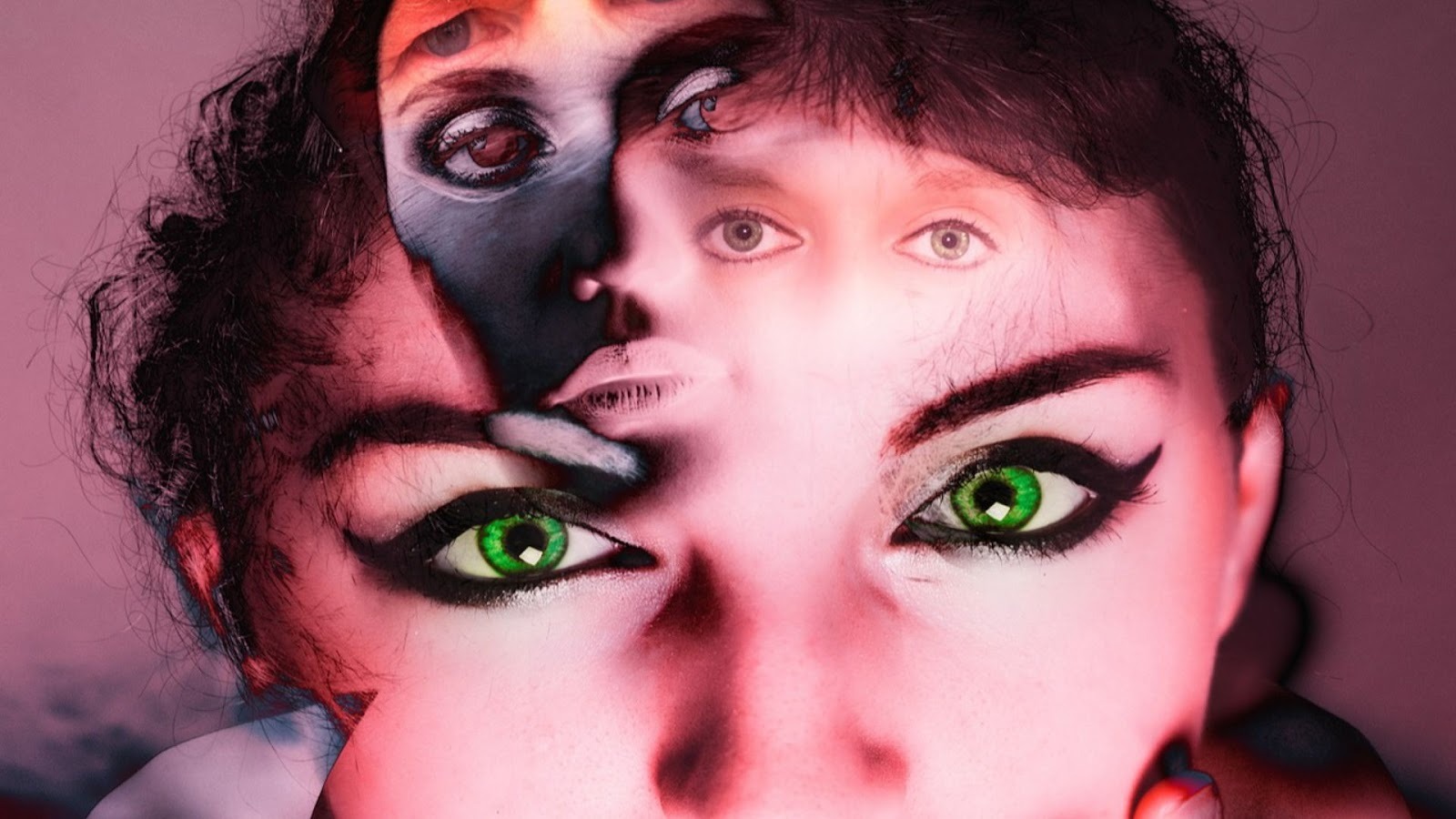
This condition involves two or more distinct identities, each with its own behaviors and memories, which form as a response to severe trauma. Moreover, harmful myths fueled by media misrepresentation continue to overshadow the true struggles faced by those living with Dissociative Identity Disorder.
2. Borderline Personality Disorder (BPD)
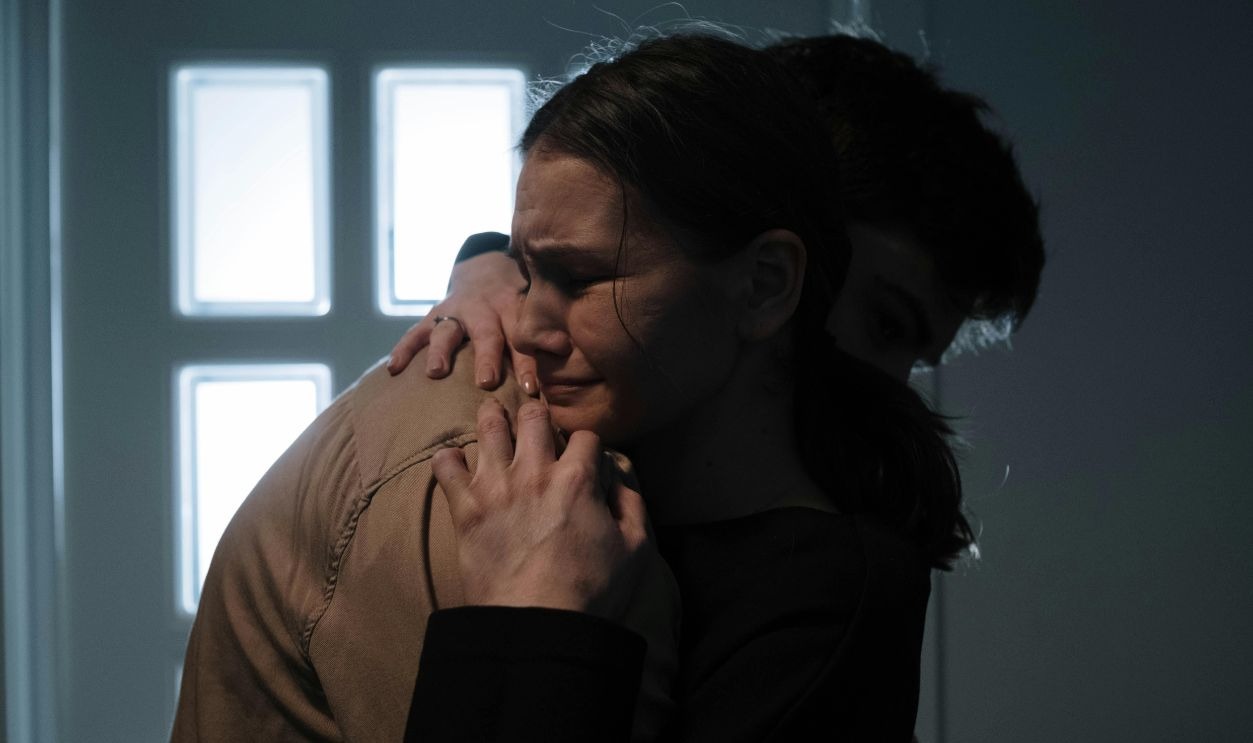
For those with Borderline Personality Disorder (BPD), every interaction can feel like a high-wire act. Fear of abandonment, rapid mood changes, and impulsive behavior complicate daily life. Many confuse it with bipolar disorder, further leading to misdiagnosis. Sadly, these struggles are unfairly minimized or misjudged.
3. Schizoaffective Disorder
Schizoaffective Disorder is misunderstood because it combines psychotic symptoms like hallucinations and delusions with mood disturbances such as depression or mania. This complex mix affects about 0.3% of Americans and is frequently mistaken for schizophrenia. Also, recognizing it early can make a huge difference.

4. Antisocial Personality Disorder (ASPD)
Imagine a personality that thrives on breaking rules and pushing boundaries—that’s Antisocial Personality Disorder (ASPD) in a nutshell. It’s marked by a knack for charming others while ignoring social norms. While it might seem like a rebellious thrill ride, ASPD is a serious condition that benefits from structured therapy.

5. Pathological Demand Avoidance (PDA)
Do you notice some people seem to avoid even the simplest requests like it’s a game of dodgeball? That’s Pathological Demand Avoidance (PDA) in action, where intense anxiety makes small expectations feel impossible to face. Their avoidance tactics—whether it’s charming distractions or outright refusals—are a need for control.
6. Persistent Depressive Disorder (PDD)
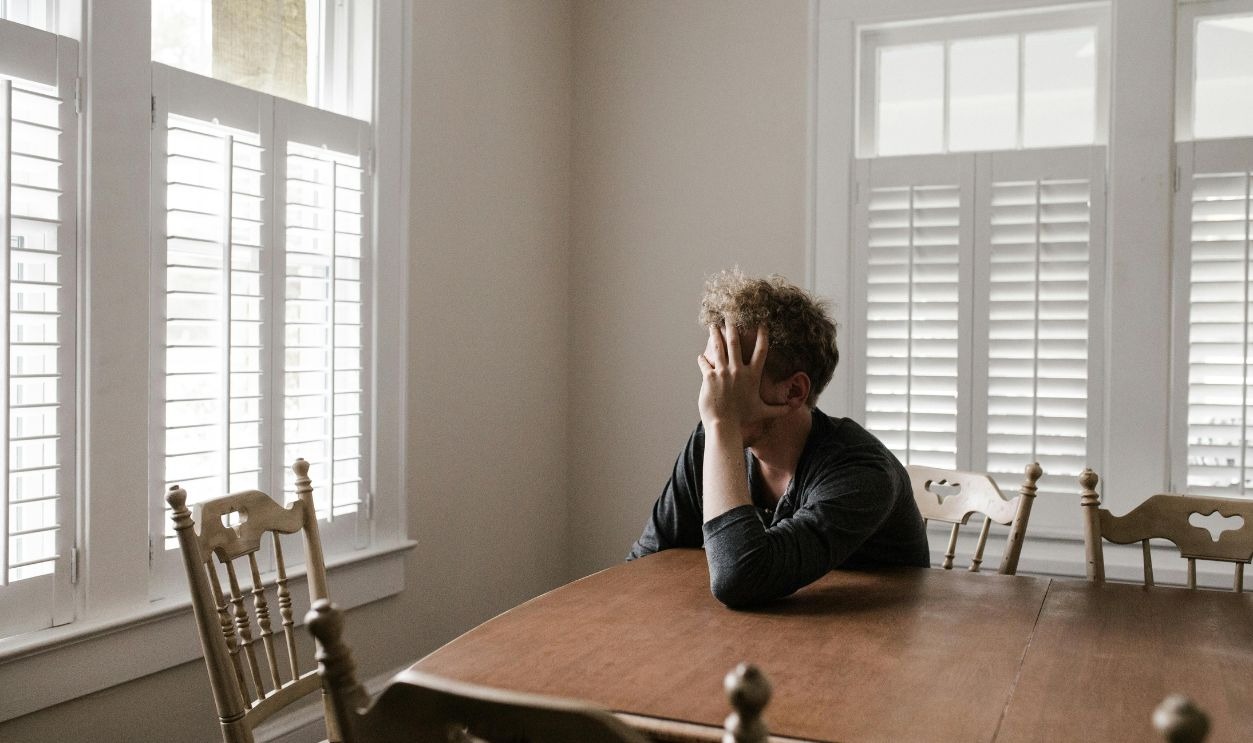
Also called dysthymia, Persistent Depressive Disorder (PDD) can be compared to living with a long, slow drizzle of sadness rather than a sudden storm. It’s not as intense as major depression but lasts much longer. With the right support and treatment, though, brighter days are possible.

7. Avoidant Personality Disorder (AvPD)
Picture wanting to join the party but standing at the door, unable to knock because the fear of rejection is louder than the music inside. That’s how AvPD feels. Even invitations to events can spiral into self-doubt: “What if they’re just being polite? What if I mess up?”

8. Complex Post-Traumatic Stress Disorder (C-PTSD)
Complex PTSD (C-PTSD) stems from repeated, long-term exposure to trauma—like childhood abuse or living in an unsafe environment. Many people with C-PTSD struggle to explain their experiences. Instead of hearing, “What happened to you?” they’re more likely to face, “Why can’t you just move on?”

9. Cyclothymic Disorder (Cyclothymia)
Did you ever meet someone whose mood seems to shift in gentle waves—never too high or too low? That’s Cyclothymic Disorder, a condition marked by cycles of mild depression and hypomania. These mood shifts may not be as intense as bipolar disorder. However, they can still create challenges in maintaining stability.

10. Misophonia
For someone with Misophonia, certain sounds—like chewing, pen clicking, or even breathing—can trigger an overwhelming reaction. It’s a full-body response that can feel like anger or despair. Misophonia is frequently dismissed as being “too sensitive,” which leaves sufferers feeling misunderstood and unsupported.