

Relationship Flaws You Need To Fix Right Away
Relationships rarely break down because of one dramatic mistake; more often, they get worn down by consistent small habits and careless patterns that drive you two apart. Sometimes people do it unknowingly, sometimes they just refuse to change. If you don't want this to be you, here are 20 ways people sabotage their relationships so that you know exactly what not to do.
 Viktoria Slowikowska on Pexels
1. You Assume They Should Read Your Mind
When you expect your partner to know what you're feeling, even when you say nothing, it's simply unreasonable. You're creating unnecessary tension by leaving the other party confused and defensive. Even the most loving and attentive people aren't mind readers, and should never be treated like one. It just sets you both up for failure.

2. You Keep Score
Keeping tally of who's doing more, who's apologized the most, or who's forgetting more often just makes resentment easy to build. You've shifted the problems away from being solved, and you're more focused on proving your point and being in the right. A healthy relationship can't thrive when every kind act is treated like a future bargaining chip.

3. You Turn Every Disagreement Into a Character Judgment
There's a big difference between saying a behavior bothered you and acting like that behavior defines who your partner is as a person. People make mistakes, but that doesn't mean they're actually selfish, careless, or lazy. When you use that kind of language, it just makes them feel attacked.

4. You Refuse to Let Small Things Stay Small
Not every irritation needs to turn into a full-blown argument. Sometimes, a mildly annoying moment is just that: a mildly annoying moment. Dragging it into something larger just makes things exhausting for both of you, and over time, even normal conversations can begin to feel like they're one sentence away from becoming a problem.

5. You Apologize Without Changing Anything
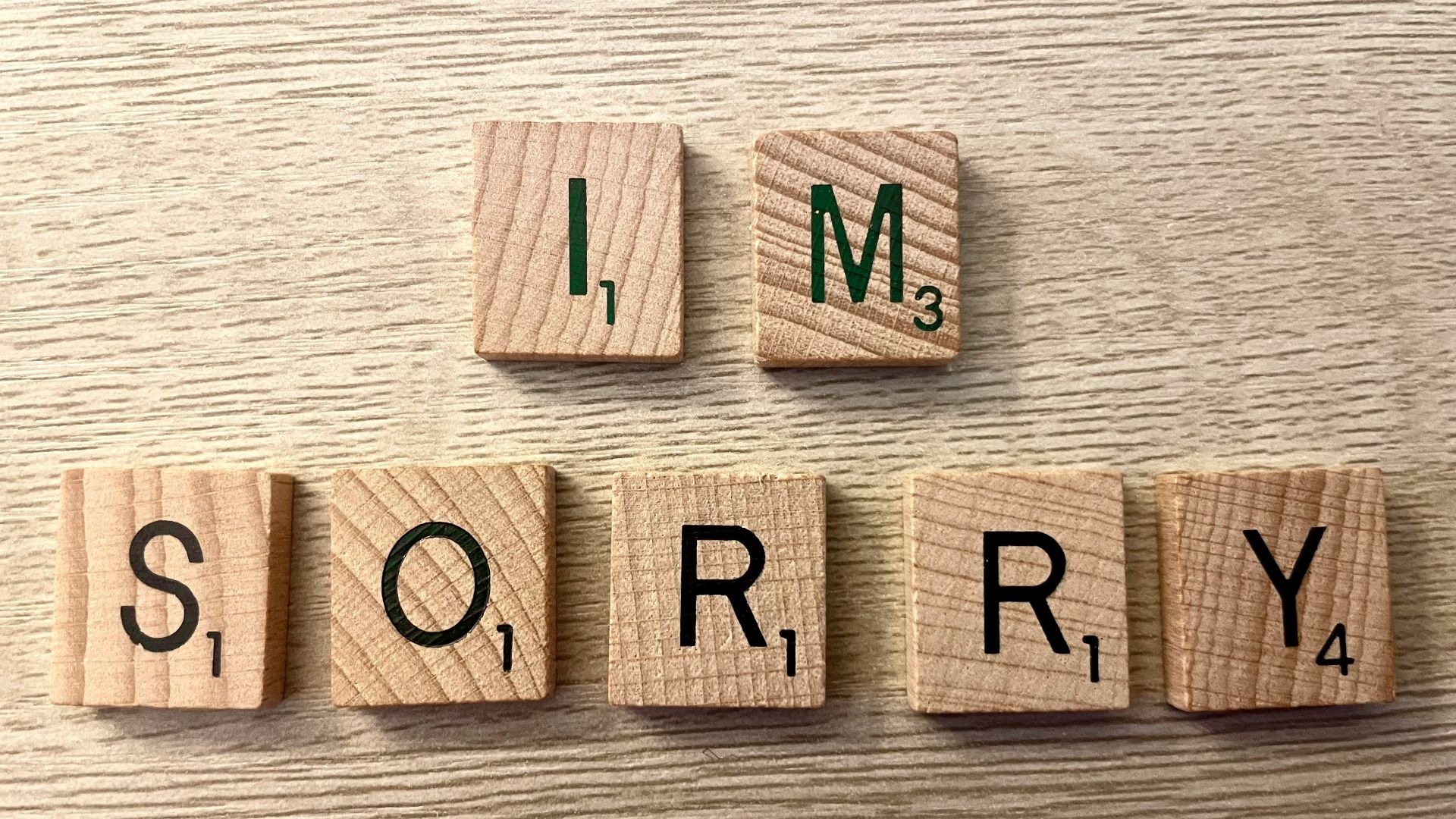
Saying sorry when you don't follow it up with change or action only sounds mature but really isn't. Eventually, the words lose their value because nothing real follows them. And if it happens repeatedly, it just comes across as thoughtless behavior that'll affect your relationship.
6. You Expect Perfection From Someone You're Also Disappointing
Don't ask for someone to put more effort in if you're not showing that same energy in return. You might want patience, grace, and understanding from your partner, but are you offering them that in the first place? This double standard just creates a dynamic where one person is always under review.

7. You Bring Up the Past to Win the Present
Old mistakes that have supposedly been forgiven shouldn't be pulled out every time you need support for your current argument. Once that pattern starts, conflict stops being about resolution and starts being about who has better evidence to back them up.

8. You Punish Vulnerability
If your partner opens up to you, treat it as a serious moment that deserves your full attention. Because if you mock them, dismiss their words, or use it against them later, you're telling them that honesty isn't safe with you. After enough of those moments, emotional distance starts looking like self-protection.

9. You Prioritize Being Right Over Being Close
Would you rather feel good about winning an argument for five minutes, or choose your partner over being right? If you pick option one, don't be surprised if your relationship is weak. After all, couples only become stronger when both people feel heard, respected, and still on the same side afterward.

10. You Criticize More Than You Appreciate
If most of what comes out of your mouth sounds corrective, disappointed, or unimpressed, your partner will start bracing for your reactions instead of enjoying your company. You should never be your partner's harshest critic if you can't also be their biggest supporter and cheerleader.

11. You Make Everything About the Worst Interpretation
When you constantly dial every little mistake into a huge personal offence, you're not just making it hard on your partner, you're making it difficult for yourself. One forgotten text doesn't mean they don't care anymore, and one distracted moment doesn't mean the whole relationship is falling apart. Being negative just leaves you both feeling tired and disconnected.

12. You Avoid Hard Conversations Until They Become Unavoidable
No one likes having an uncomfortable discussion, but they're necessary to repair problems and strengthen the relationship. When you continually avoid having them, you're just letting the issue grow into something even worse. By the time you finally bring it up, you're often carrying weeks or months of built-up irritation.

13. You Use Sarcasm as a Cover for Resentment
Sarcasm can sound funny on the surface, but when it's loaded with frustration, it sounds more rude than laughable. Trust us, your partner will catch on quick, especially if it's meant to be sharp.

14. You Stop Being Curious About Them
Long-term closeness doesn't happen because you've already learned everything important about the other person. People change, their priorities shift, and their feelings evolve in ways you won't notice if you stop paying attention. Being present and caring about how your partner is growing is the best way to keep things fresh and new.

15. You Treat Effort Like It Shouldn't Be Necessary
A surprising number of people sabotage good relationships by acting as though affection, attention, kindness, and thoughtfulness should only happen naturally and not deliberately. In reality, effort is often what keeps a relationship steady when life gets busy or stressful. Doing things on purpose doesn't make them less sincere, it usually proves they matter.

16. You Compare Your Relationship to Everyone Else's
The moment you start comparing your relationship with other couples, that's when things go downhill. You're manufacturing dissatisfaction for no reason, and you're no longer focused on what actually works for you and your partner because you're distracted by surface level appearances.

17. You Expect Conflict to Mean Something Is Wrong
Disagreement isn't automatically a sign that the relationship is broken, doomed, or deeply incompatible. Two people can care about each other and still get irritated, miscommunicate, or want different things sometimes. It's all about good communication and talking through whatever issues arise.
 Matheus Câmara da Silva on Unsplash
18. You Don't Protect the Relationship From Outside Noise
A relationship only consists of two people. When you let outsiders influence you, whether it be friends, family, or social media, you make it harder to build trust and confidence as a unit. You partner might even start feeling like they're in a relationship with a whole audience than just with you.

19. You Wait to Be Loved Exactly the Way You Prefer Without Explaining It
Everyone has different love languages, which means you shouldn't leave it up to your partner to figure out which one's yours. You need to express what you like openly and honestly so that the two of you can love in a way that fits both of your needs. Don't act all hurt if they don't get it if you didn't share to begin with.

20. You Forget That Being Close Requires Ongoing Attention
Life can sometimes get really busy, and while relationships come with their ups and downs, they'll always be happy and healthy when you remember to put in effort. Going into autopilot mode for extended periods of time will only do your partner harm. Because when you stop checking in, stop noticing, and stop putting care into the everyday parts of the relationship, distance can grow quietly.