

How We Feel Affects How We Act
It's impossible to avoid feeling different emotions, especially when life throws such curveballs at us every day, but there are some that benefit us, and some that set us back. While the positive ones can make it easier to connect with others, think more clearly, and enjoy what's in front of you, the negative ones can be incredibly damaging. So, to make sure you appreciate the good ones and get out of the bad ones, here are 10 examples of each.

1. Joy
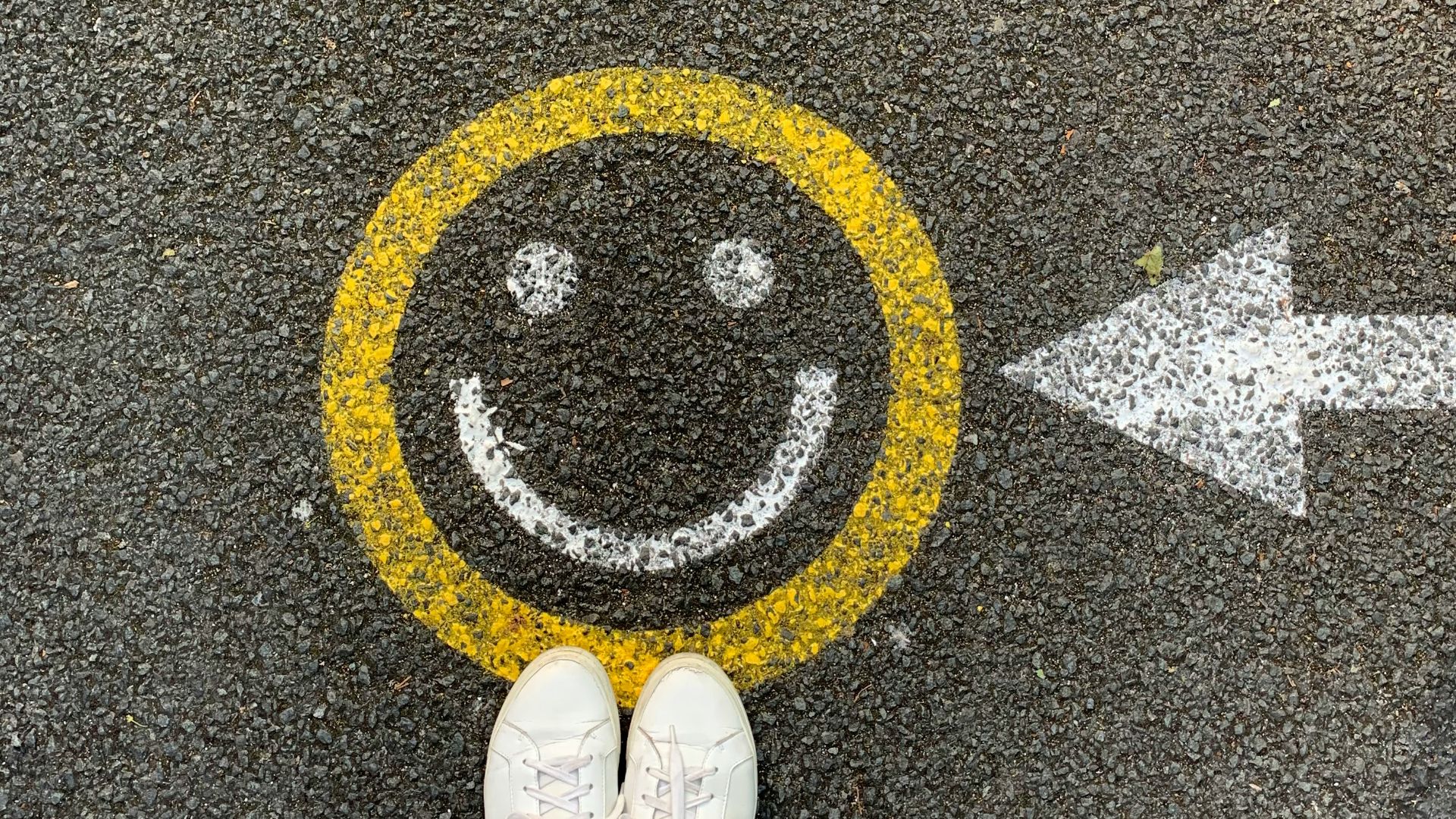
What's life without joy and happiness? It doesn't need to be felt only when something dramatic or grand happens, you should be able to experience joy from small things like a good conversation, a finished task, or a quiet moment that feels peaceful.
 Jacqueline Munguía on Unsplash
2. Gratitude
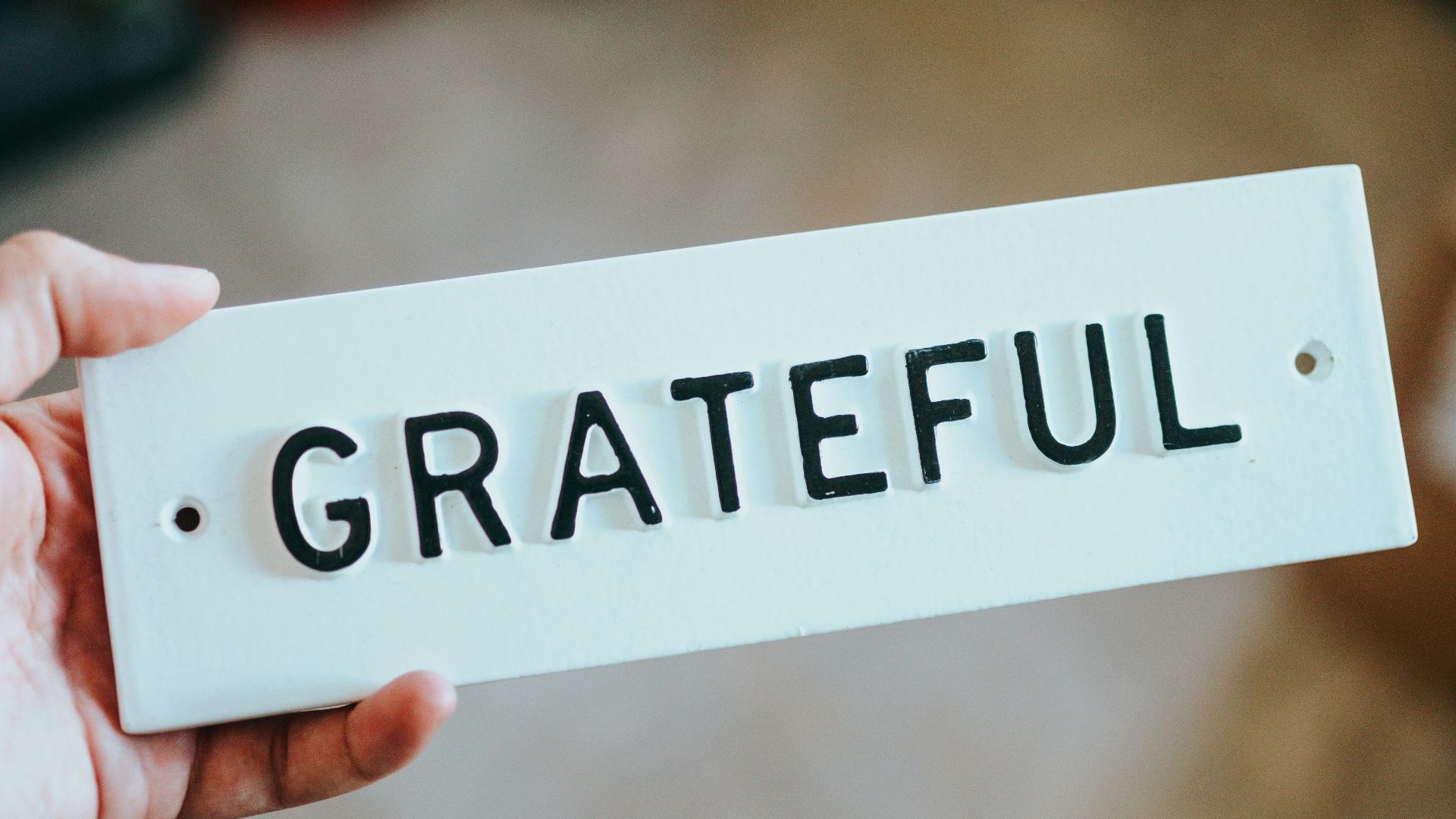
No one's life is perfect, and trying to aim for that is just unrealistic. Instead, you should be grateful for the things you do have in your life. Practicing this can help you recognize what's working, and what needs to change to make things better for you. But overall, feeling gratitude just generally helps you become less fixated on what's missing.
3. Calm
Calm isn’t boring, and it’s definitely not the same thing as indifference. This is what gives you a clearer mind, a more measured tone, and a better chance of responding well instead of reacting quickly. In a world that rewards urgency, calm can be a powerful gift that gives you space to breathe.

4. Hope
To keep you excited and engaged with your future, you always need a little bit of hope. It doesn't mean everything will come your way with certainty, but it does mean you know how to look forward for the best and stay motivated even when life throws you lemons.
 Marc-Olivier Jodoin on Unsplash
5. Confidence
Confidence is important because it's what allows you to trust yourself and feel comfortable in your own skin. You won't always get everything right, but that's okay because no one does. Understanding that and not letting it get to you will allow you to take more risks, be more bold, and be more willing to try.

6. Contentment
There's a subtle difference between happiness and feeling content. It's quieter than excitement, but there's something deeply fulfilling and valuable about being satisfied with the present state of things. It's what allows you to enjoy every day to the fullest.

7. Affection
Affection brings warmth into relationships in a way that feels simple but meaningful. Whether it’s expressed through kind words, thoughtful attention, or physical closeness, it reminds people that they matter. And when the people closest to you feel your love and kindness, you'll feel it back, too.
 Priscilla Du Preez 🇨🇦 on Unsplash
8. Curiosity
Instead of being closed off and stubborn in thinking you know everything, staying curious allows you to explore the world with a fresh set of eyes. It invites better questions, more thoughtful conversations, and a wider view of the people around you. When you’re curious, you’re less likely to stay stuck in rigid opinions or unnecessary defensiveness.

9. Pride
As long as it doesn't turn to arrogance, pride can be a very important trait. Feeling proud of yourself comes from effort, growth, and personal integrity after all. It simply means you know how to acknowledge the things that you've done well, which should always be celebrated!

10. Relief
This may sound a bit confusing at first, but relief has some serious emotional value. It's the feeling you should get after stress, pressure, or uncertainty subsides. These are unfortunately all states we go through in life, and being able to ease up is what allows you to recover and carry forward without unnecessary tension.

1. Anxiety
Anxiety can be helpful in small doses, but too much of it makes everyday life feel unnecessarily hard. It pushes your mind toward worst-case scenarios and often convinces you that constant worry is the same as preparation. It's impossible to go through life without it, so it's important to learn the best ways for you to manage it instead.

2. Envy
It can be dangerous to constantly compare your life against someone else's. It just leaves you in this endless loop of envy where other people's success feels oddly personal, even when it has nothing to do with you. All it'll do is make you want more when you have more than enough already.

3. Resentment
Resentment builds slowly, which is part of what makes it so easy to ignore at first. It often comes from unspoken expectations, old disappointments, or moments you never fully processed. But over time, it can harden your attitude and affect relationships in a way that might become impossible to fix if you let it sit.

4. Shame
Shame is particularly difficult because it doesn’t just say you made a mistake, it says you are the mistake. It comes from a lack of self-confidence, forcing you to stay in the same cycle until you can break free from this endless self-rejection. Overcoming it begins with separating your worth from your worst moment.

5. Jealousy
When you leave your jealousy unchecked, it can damage your best relationships. It makes you feel threatened, suspicious, and emotionally restless when there's no reason to be. If you don't find a way to come to terms with your situation, it may push you toward a more controlling behavior others won't appreciate.

6. Anger
Anger isn't always a bad emotion to feel, but it becomes a problem when you let it dictate how you speak and act all the time. If you let it get the better of you, you may respond in a way you'll regret once you've cooled off. Because when anger goes unmanaged, it can become unhealthy.

7. Guilt
Guilt can serve a purpose when it points you back toward your values, like if you’ve hurt someone or acted out of line, and it prompted honesty, accountability, and repair. The trouble starts though when guilt lingers long after you’ve already learned the lesson and it becomes self-punishment rather than a self-growth.

8. Insecurity
Making you doubt yourself in situations when you should feel assured and confident, insecurity has a way of preventing you from moving forward. It can deeply affect how you look, speak, work, and even connect with other people. Challenging it takes practice, but it’s worth it because your life gets smaller when insecurity is in charge.

9. Loneliness
It's not really about the lack of company, it's about a lack of connection. When you don't feel like you have someone you can rely on or count on, it can make the world feel all the scarier. Tackling things on your own can make you feel too scared to move or try things.

10. Hopelessness
Hopelessness is one of the hardest emotions to carry because it makes change feel impossible. It drains motivation, dulls perspective, and can convince you that effort has no point. Whether it's asking for help or reconnecting with yourself, you need to find a way to dig yourself out of that hole if you want to continue progressing.