
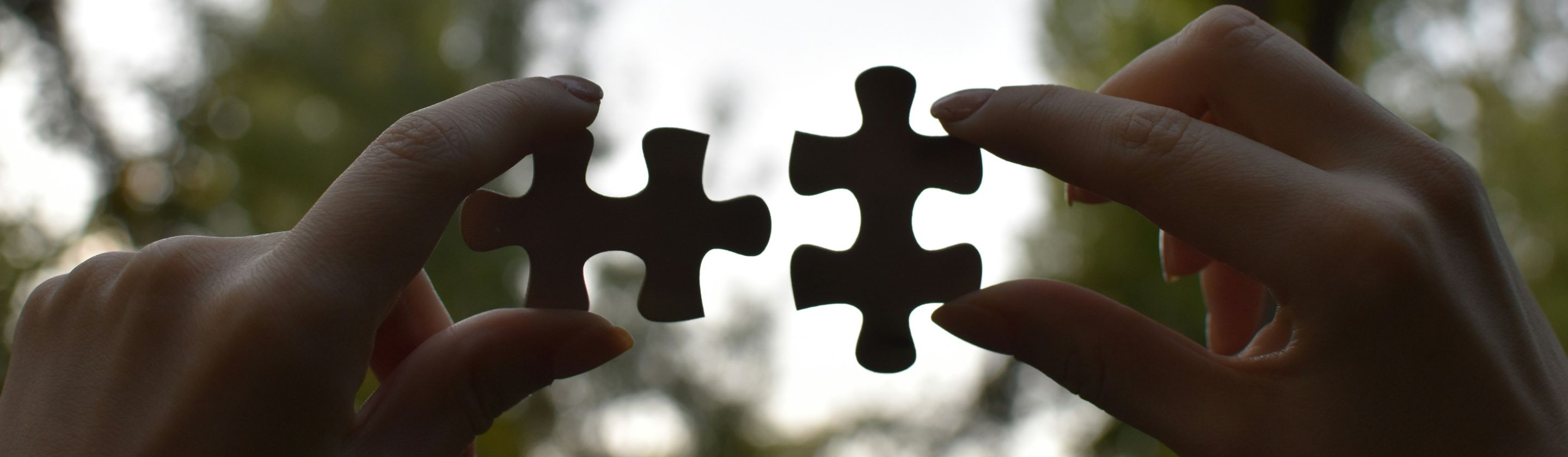
Give Your Brain Something To Do
Between doom-scrolling and everyday responsibilities, concentrating on one thing isn’t as easy as it used to be. However, though it may not seem like it, some hobbies can bring your brain power back to its former glory. Better yet, you don't need expensive equipment or complicated classes to get started! Here are 20 affordable hobbies that can help sharpen your focus.

1. Jigsaw Puzzles
Putting together a jigsaw puzzle is a lot harder than it looks, and some of those 1000-piece monsters can keep you busy for days. They require you to search for tiny differences in colors, shapes, and patterns, which is exactly what you need for focus. Thrift stores sell them for just a few dollars, making this an especially inexpensive way to spend an afternoon.

2. Knitting
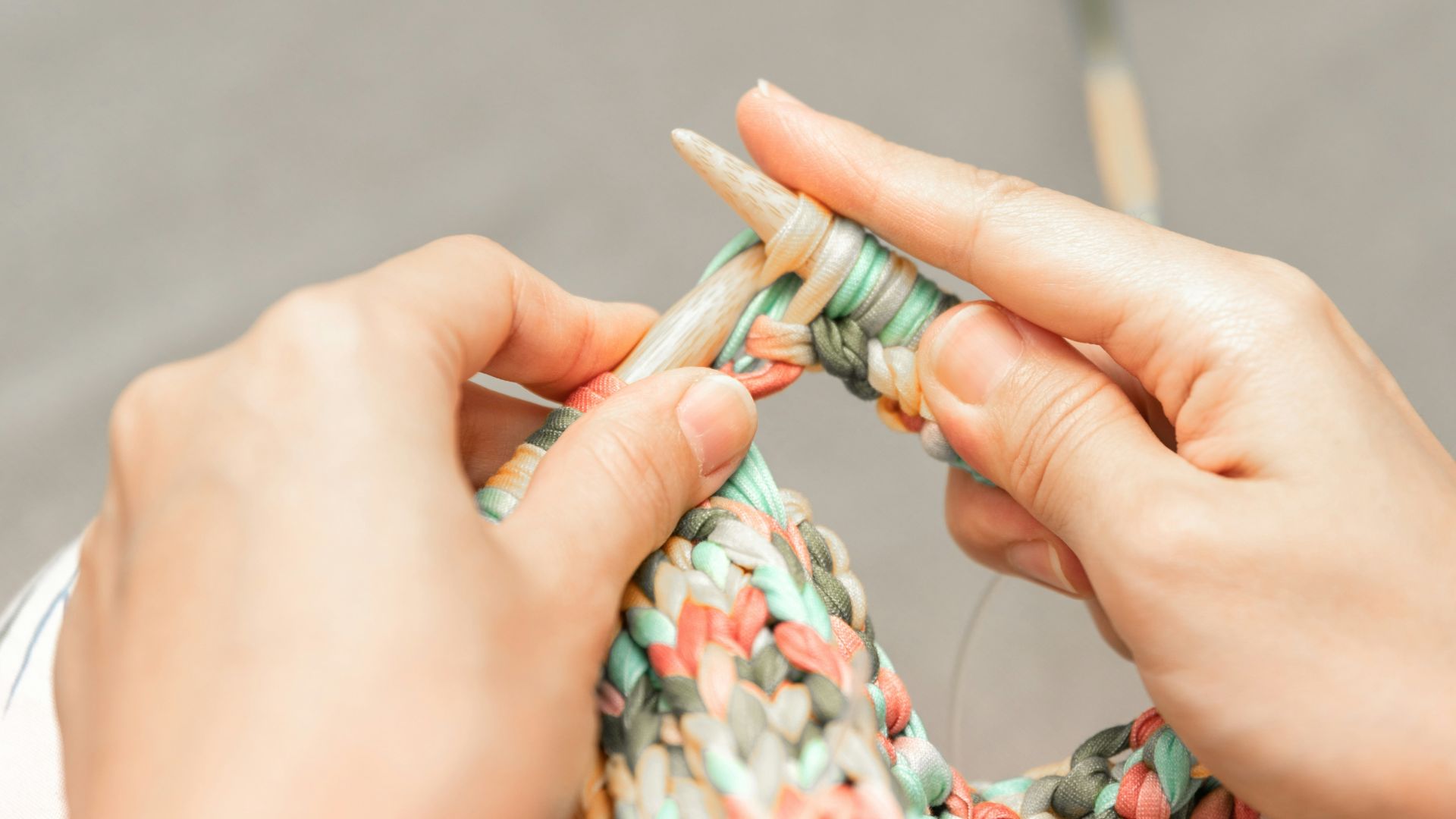
Knitting asks you to follow repeating patterns while keeping track of stitches, rows, and occasional changes in technique. Your hands stay busy, but your mind also has to remain engaged enough to catch mistakes before they ruin that beautiful blanket in the making. Once you own a pair of needles, inexpensive yarn can provide hours of focused activity.
 Tanaphong Toochinda on Unsplash
3. Drawing
You don't need professional art supplies to teach yourself to draw. You don’t need to waste money on masterclasses, either. Drawing encourages you to notice details, and even copying an everyday object in front of you can become a demanding concentration exercise—all for a few dollars.

4. Gardening
Gardening is only as expensive as you make it, so there are plenty of ways to introduce yourself to Mother Earth on a budget. This activity also gives you plenty of small tasks that reward careful attention, from planting seeds at the proper depth to spotting changes in leaves. You don’t even need a backyard, per se; a few seeds and containers are enough to start.

5. Reading
Reading regularly trains you to stay with one stream of information instead of jumping between several sources of stimulation. Novels require you to follow characters and plots, and nonfiction in particular asks you to absorb new information. And before you fall for their tricks, forget about BookTokers! Library memberships make this hobby essentially free.

6. Crossword Puzzles
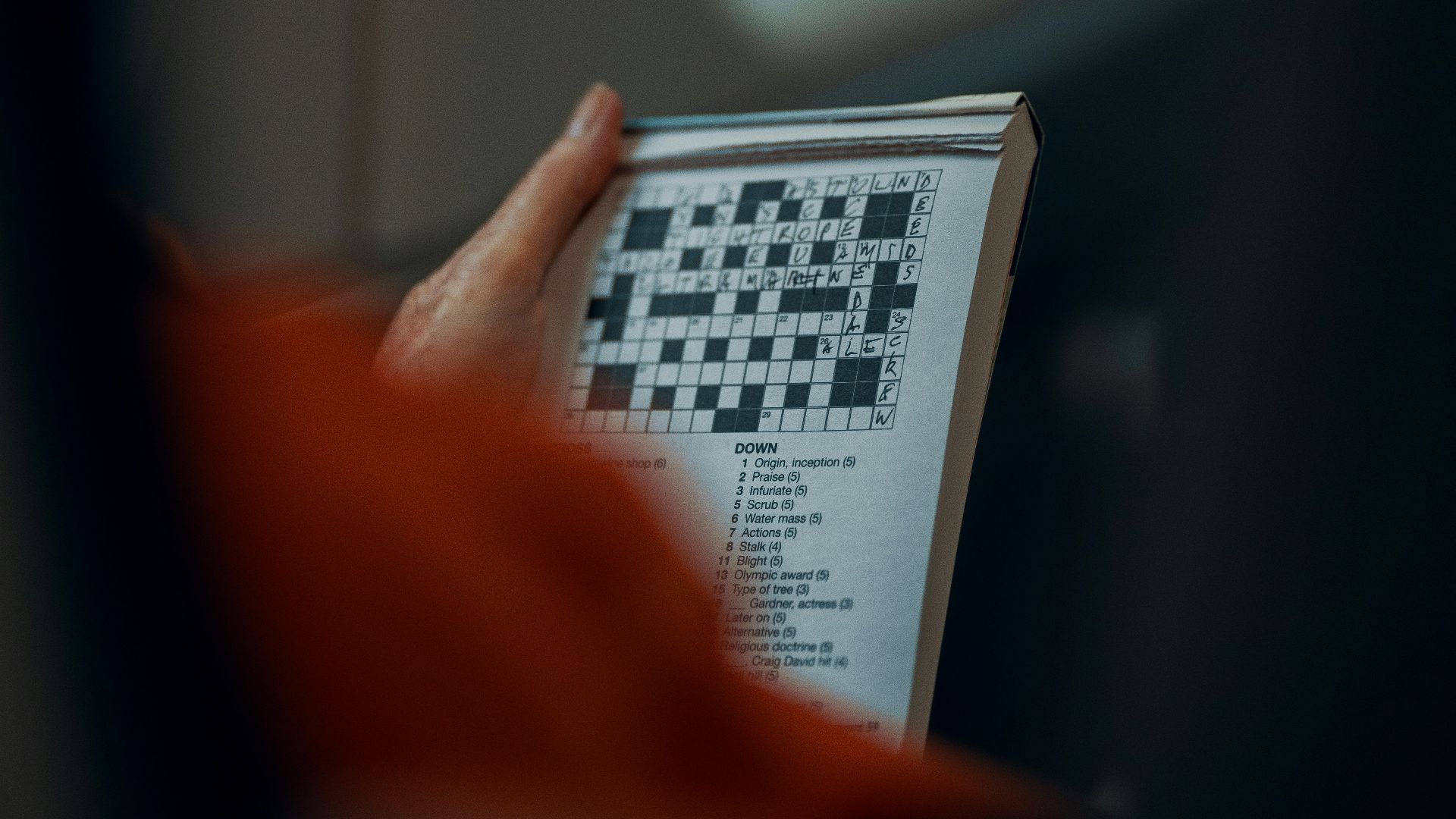
If, however, you need a bit more stimulation, crosswords force you to concentrate on clues, vocabulary, spelling, and how different answers fit together. When one doesn't immediately come to you, you also have to hold the problem in your mind while still finding ways to move forward. It’s good for your brain, and given that free online crosswords exist, it’s good for your wallet, too.
7. Cooking
Following a recipe can be an excellent lesson in paying attention—missing one ingredient can change the whole plate. You also have to measure, monitor cooking times, and sometimes even manage several tasks without losing track of anything. Since you're already buying food, experimenting with new dishes doesn't require a separate budget, either.

8. Origami
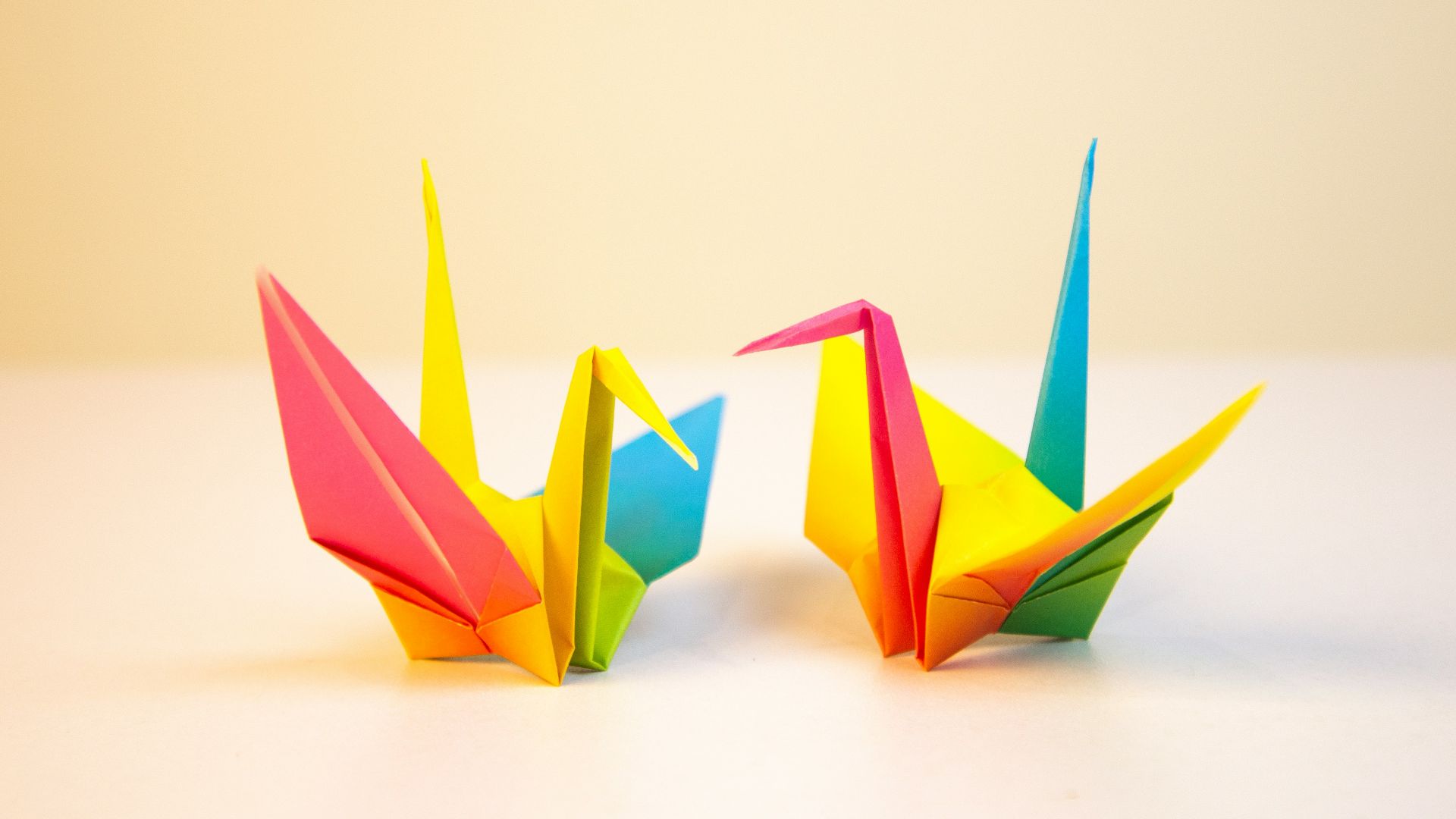
All it takes is one little piece of paper to boost your concentration. Origami asks you to follow instructions and make precise folds, especially as designs get more complicated. Ditch the expensive paper; you can learn hundreds of patterns online using ordinary sheets at home.
 Carolina Garcia Tavizon on Unsplash
9. Journaling
Writing in a journal encourages you to stay with a thought long enough to actually examine it. Instead of letting ideas bounce around your head, you're forced to slow them down and put them into coherent sentences. A basic notebook is all you need as well, so there’s no reason to ignore this one!
 Marcos Paulo Prado on Unsplash
10. Birdwatching
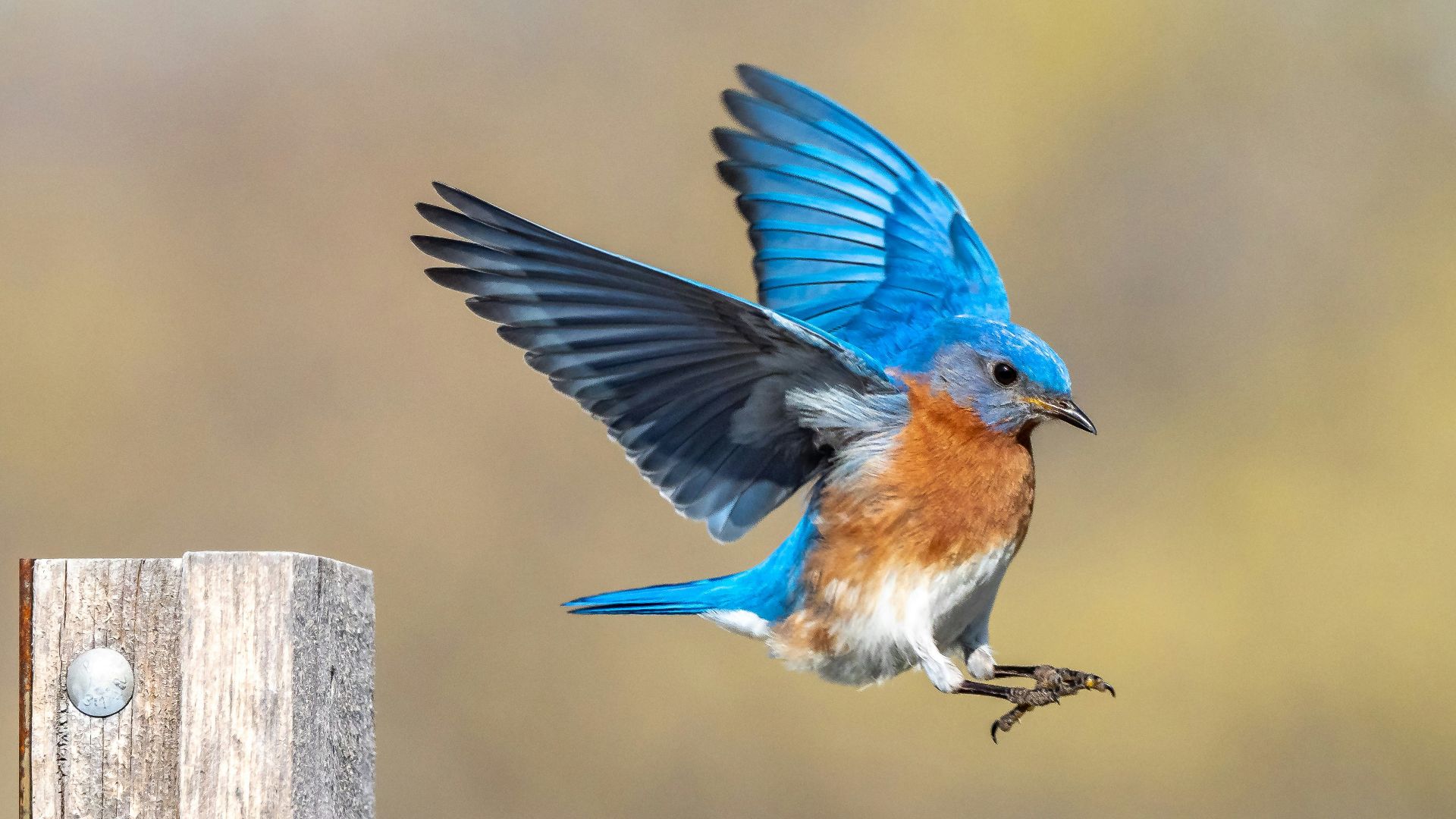
Birdwatching rewards patience and attention, two things we’re all trying to improve. You'll gradually learn to notice movement, colors, calls, and other small environmental details that previously blended into the background, which also broadens the world around you. All you need to start is a window.
11. Sudoku
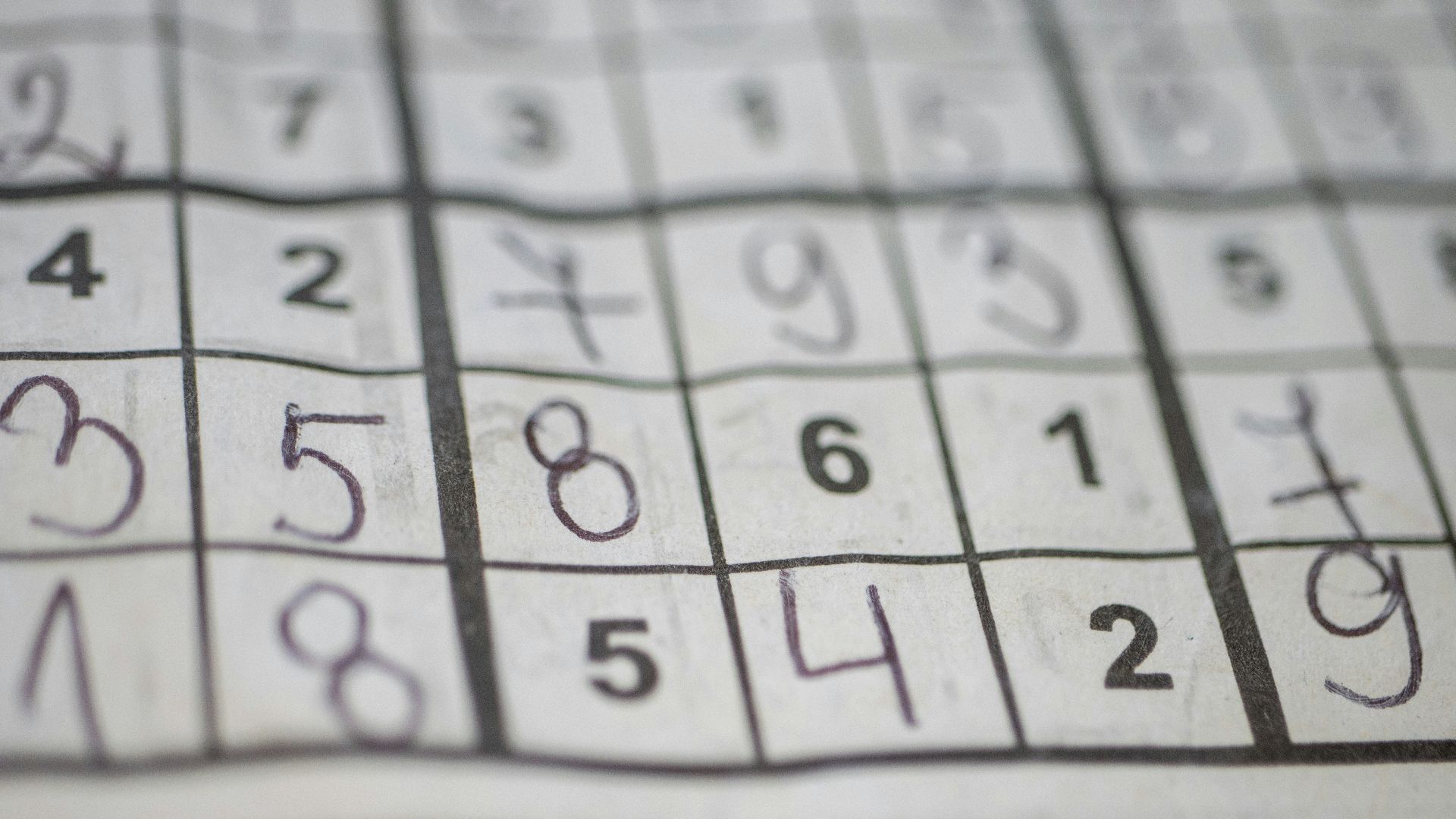
Sudoku demands sustained thinking, so guessing carelessly is out of the question. The puzzle encourages you to slow down and examine your choices, which is something you can easily do with free apps, newspapers, and inexpensive puzzle books.
12. Coloring
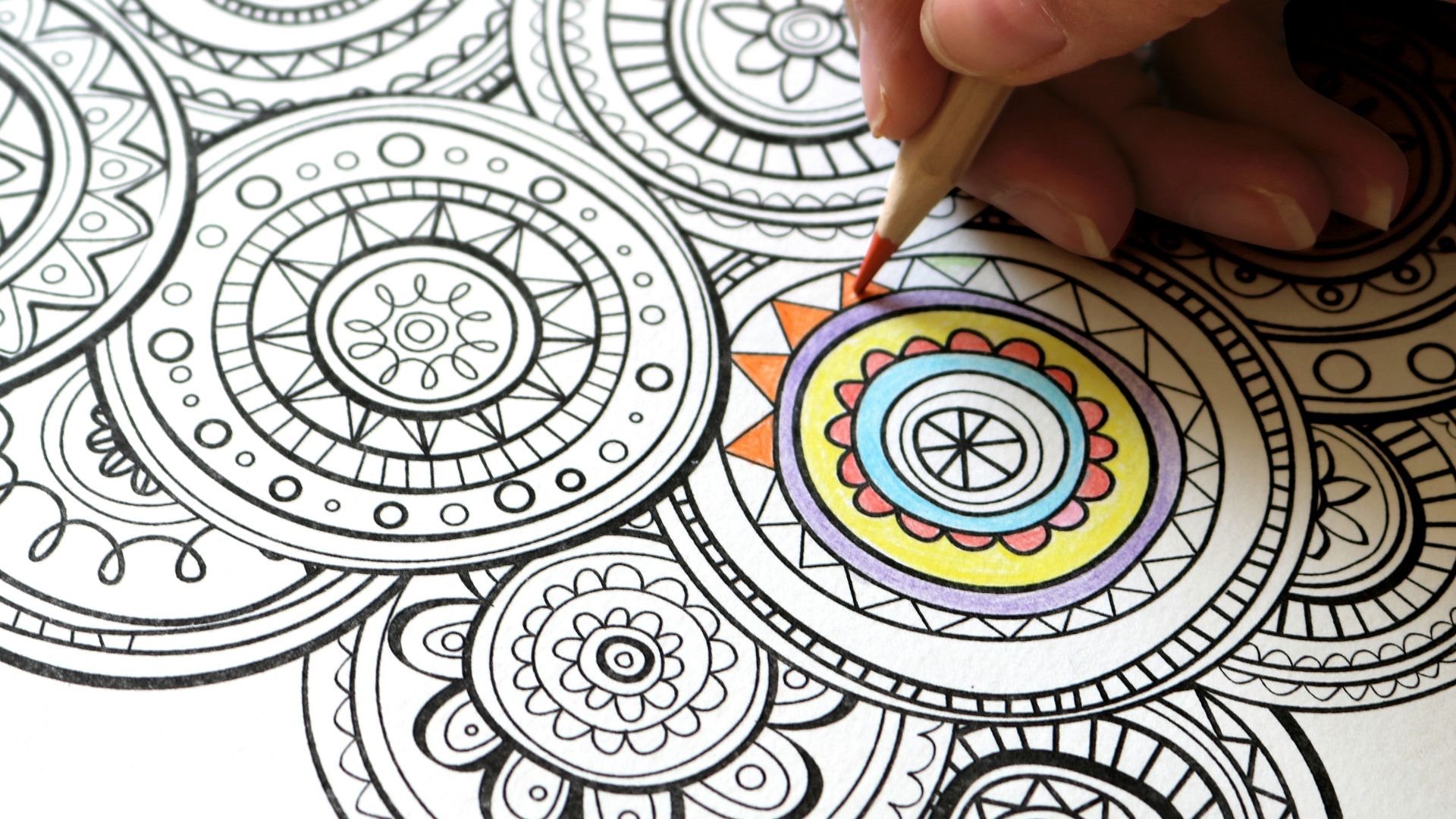
Adult coloring books became popular for a reason! Staying inside small spaces and deciding how to complete a picture can keep your attention anchored to one task. It’s also plenty calming, and you only need a basic pack of colored pencils and a book. If you can’t swing the cost of a book, you can download printable pages for free.
13. Learning a Language
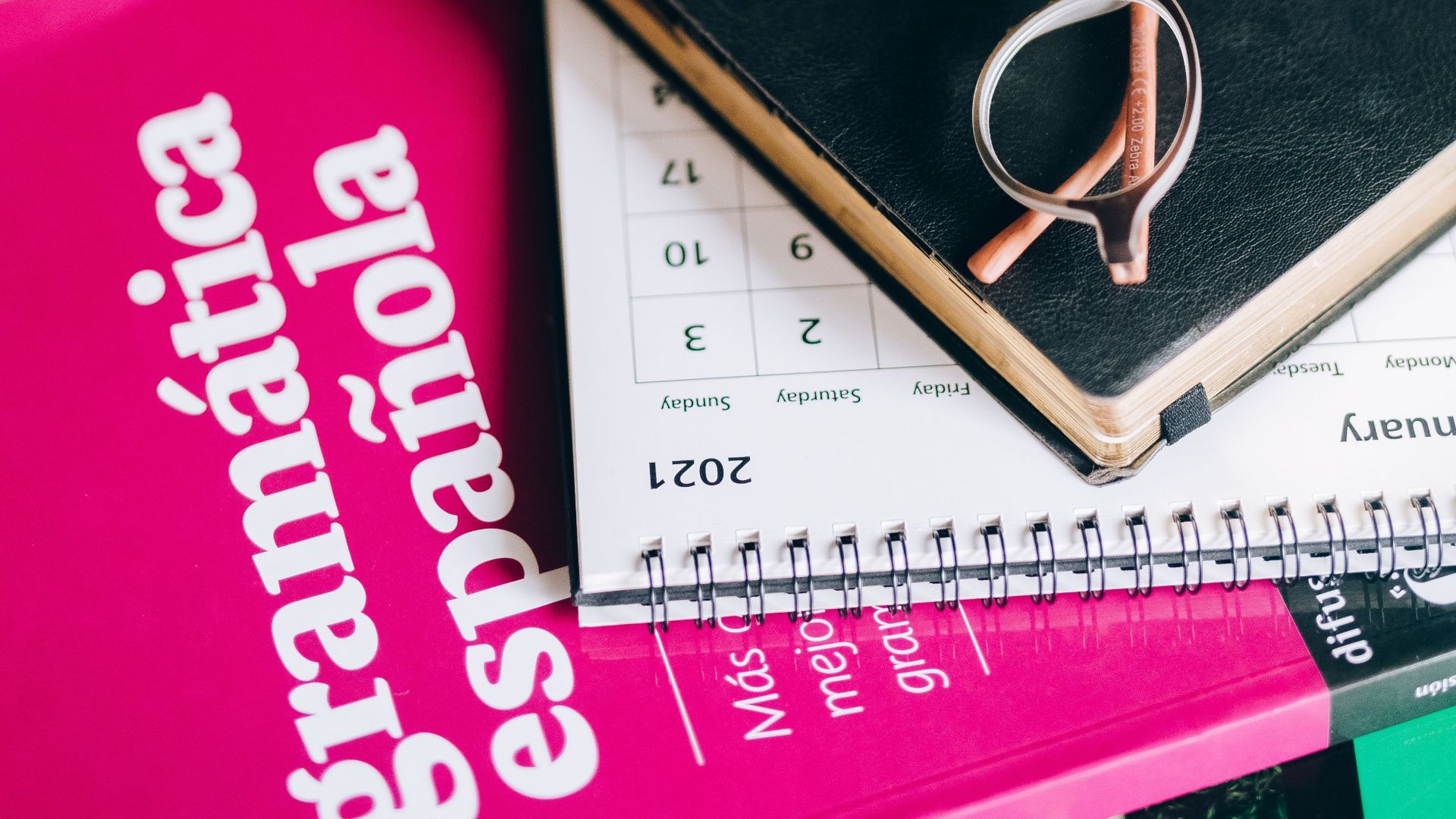
Learning another language gives your brain plenty to keep track of: unfamiliar vocabulary, grammar rules, sounds, and sentence structures. Even 10 or 15 minutes of practice requires attention if you actually want the material to stick. To get started, head to your local library or watch YouTube videos for free!
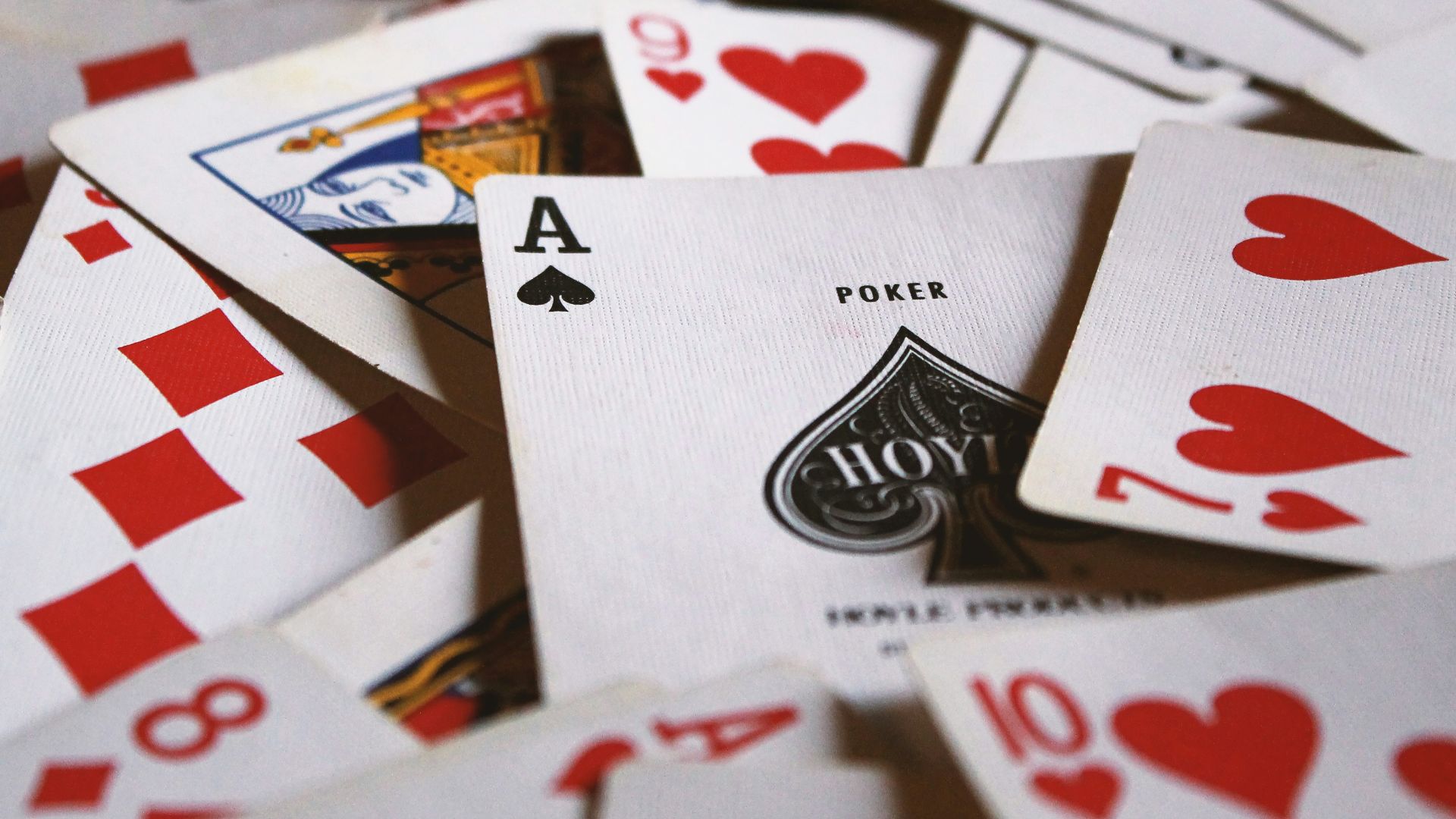
14. Playing Cards
Plenty of card games depend on memory and careful observation rather than luck alone. Solitaire, rummy, and bridge are some of the best examples, often encouraging you to remember what you've seen and plan ahead. A single deck also costs very little.
15. Photography
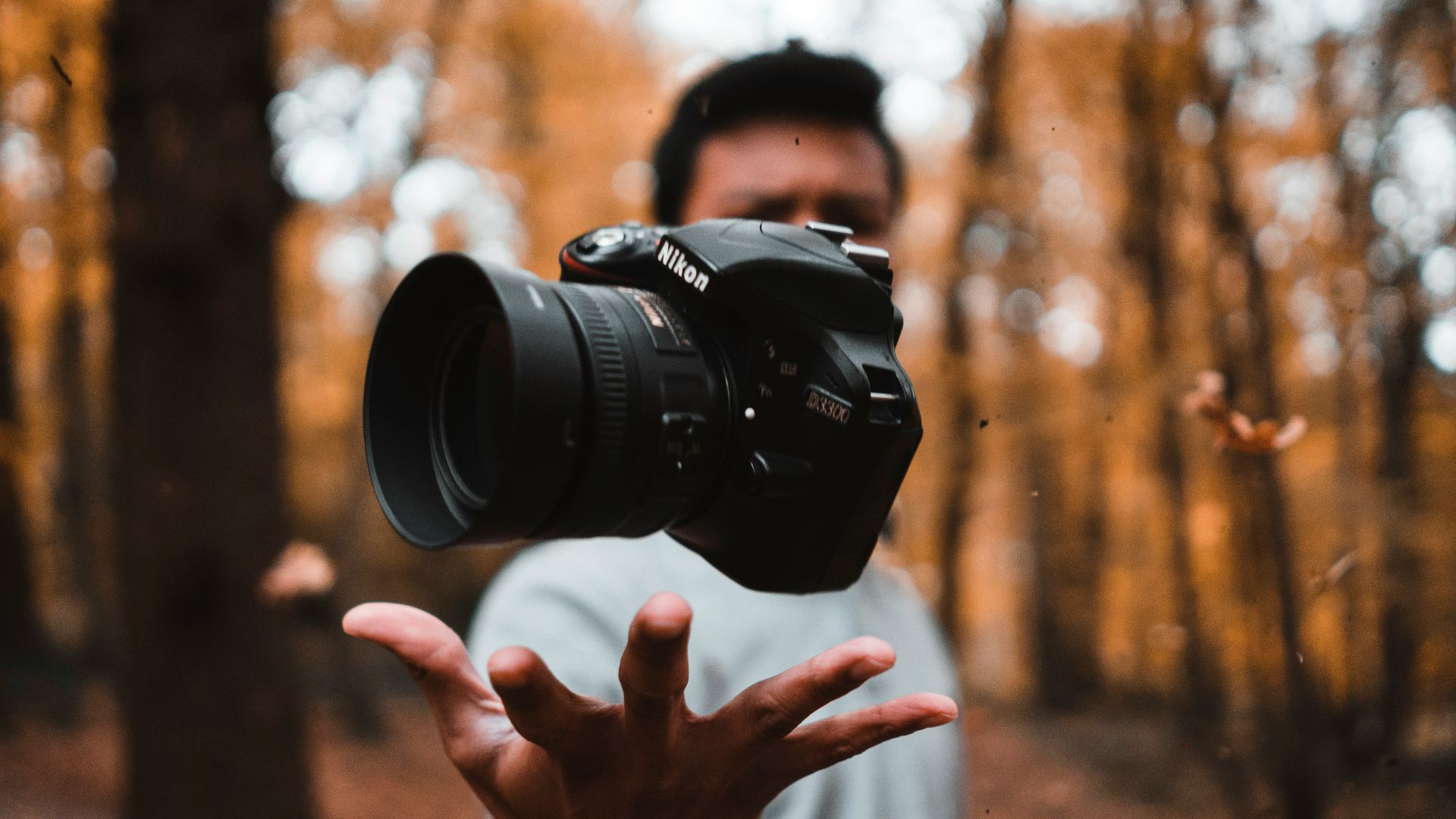
Photography becomes a concentration exercise when you stop snapping pictures willy-nilly and start thinking about composition. Look for interesting light. Keep an eye out for cool backgrounds and angles. Details encourage you to become much more aware of your surroundings.
16. Calligraphy
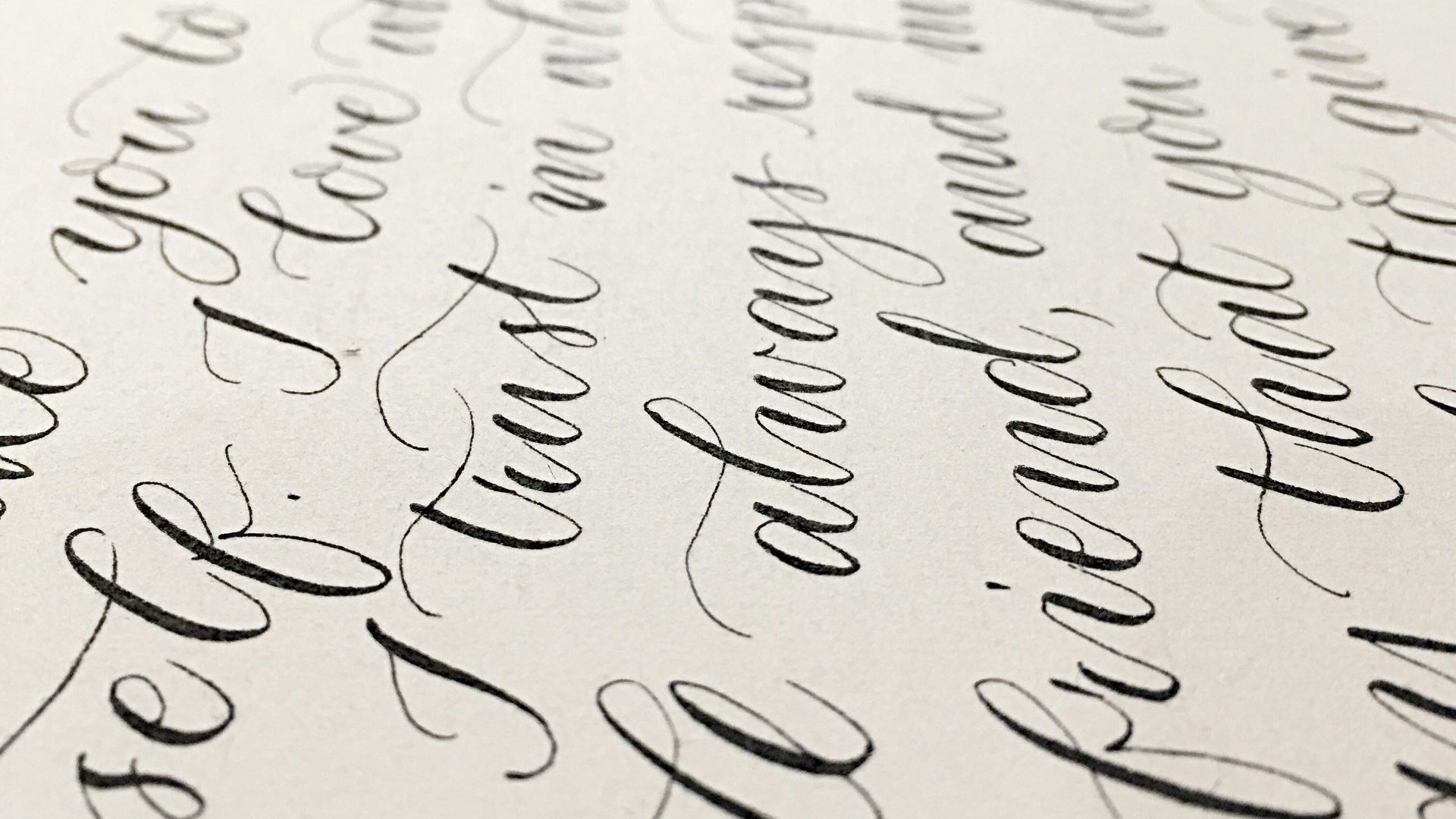
Calligraphy requires slow, deliberate movements to ensure those letters are picture-perfect. That makes rushing difficult, encouraging you to concentrate on exactly what your hand is doing. Beginners can practice with ordinary pens, too, so don’t go crazy with kits.
17. Walking Without Your Phone
Walking might not seem like a hobby, but it changes when you leave your phone behind! Pay attention to street names, architecture, plants, sounds, or landmarks instead of reaching for a screen. Allow yourself to focus on this totally free task that could easily introduce you to new spots nearby.

18. Playing Chess
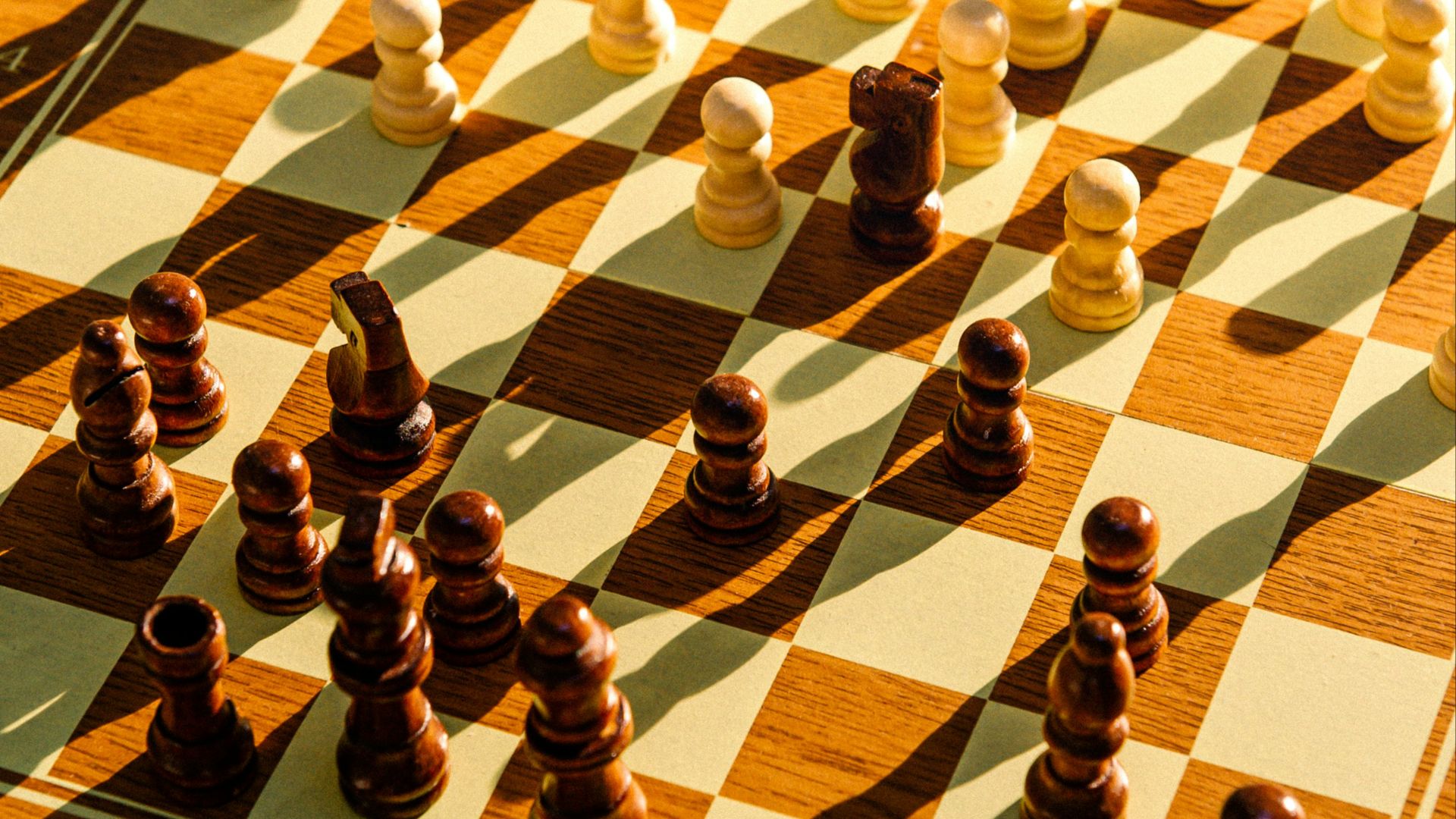
Chess makes wandering attention costly because one overlooked move can wreck your strategy. So, you’ll have to examine the board and remember what your opponent may be planning at the same time. It’s fun, it’s affordable, and you can also play online.
19. Model Building
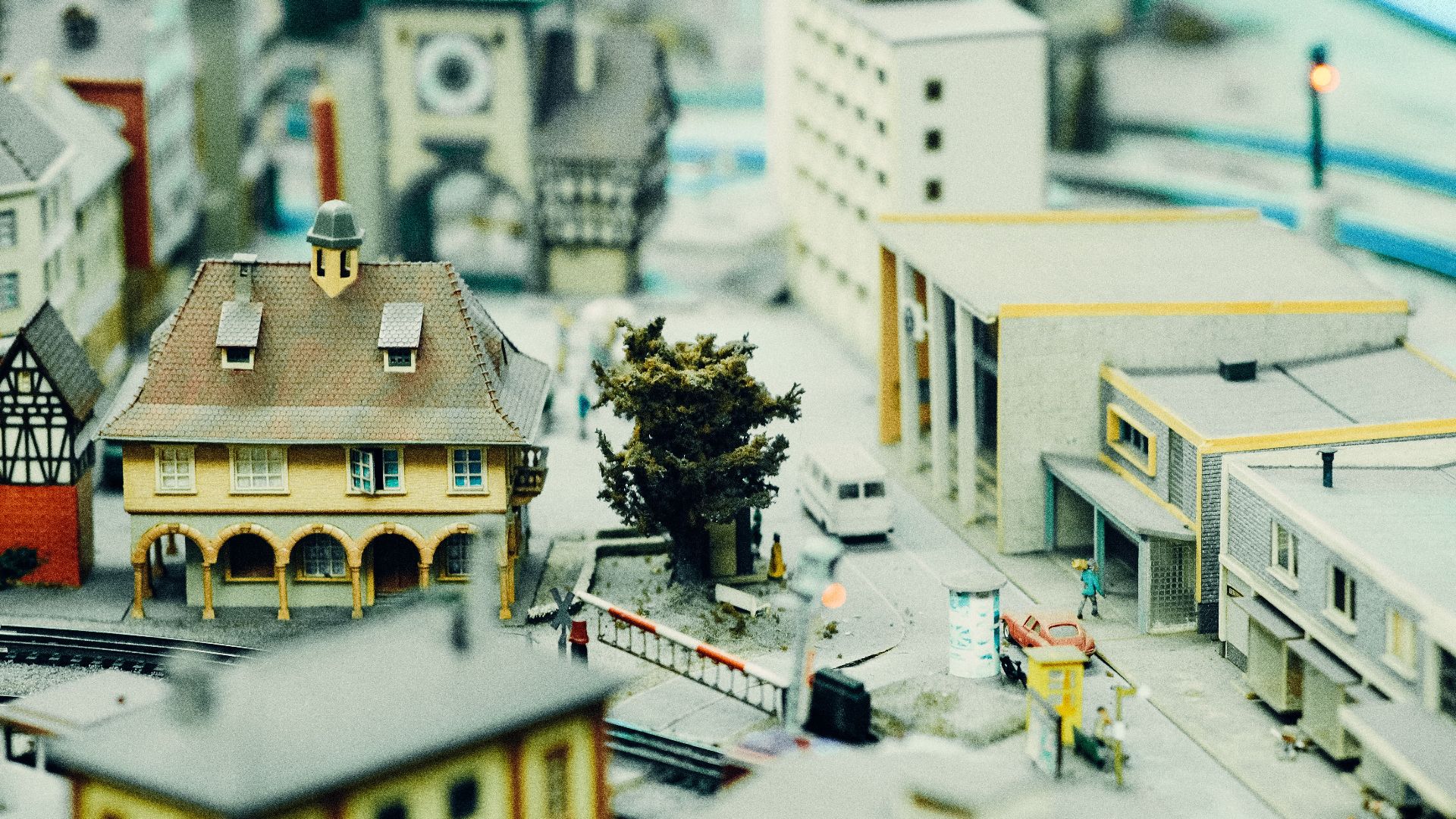
Simple model kits ask you to follow directions closely while working with small pieces that require patience and accuracy. Rushing only results in crooked parts or missed steps, so you need to keep your head in the game. Best of all, beginner kits can be inexpensive, especially if you avoid elaborate collector-grade models.
20. Creative Writing
Did you know it’s completely free to unleash the written word? Well, it is! Unlike scrolling through content created by someone else, you're actively making decisions every few sentences. All you really need is paper as well, making creative writing one of the cheapest hobbies you can buy.